
Even in the depths of winter there is plenty of work to do in the garden at Lewis Cottage, near Spreyton, as they prepare to reopen to the public this summer. Here Richard Orton reports on the impact of their pruning campaign and suggests jobs you can be doing in your own garden this month.
You may recall that we made a start on restoring the lower half of the garden in late summer and that has continued through the autumn and winter. Come spring we will notice a big difference in the way the lower garden looks. More light and air has been let in to promote growth and help prevent disease.
This month we have hard pruned a dense, overgrown laurel hedge that is well over 40 years old and easily 15 feet tall to bring it back under control. The lower boundary hedge will be reduced to 3 feet and then kept at a more manageable height of 4 feet. This will allow light to flood in, help dry out boggy parts of the garden and encourage dormant plants back to life.
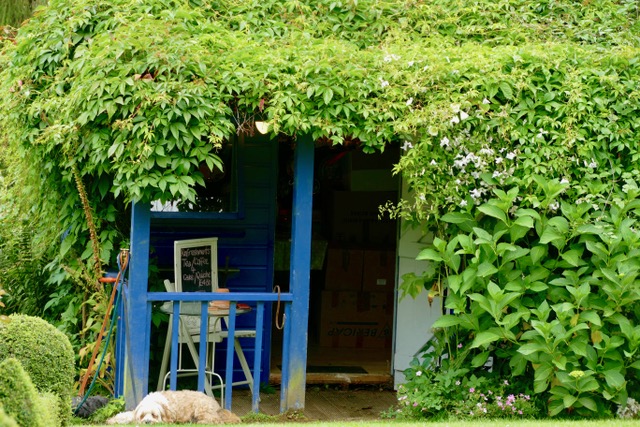
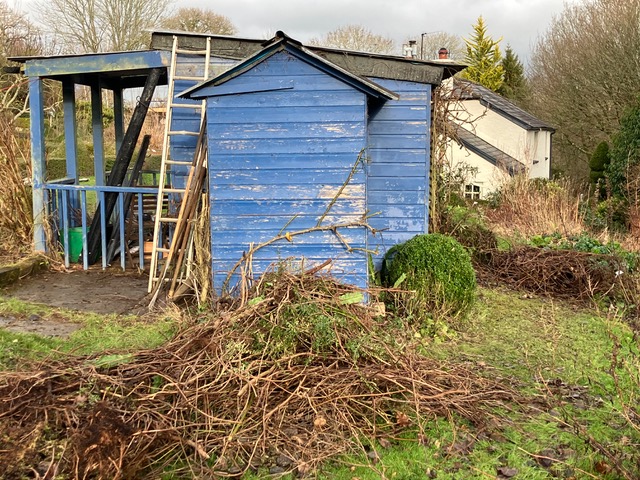
Our famous tea shed, adorned with blue and white china, is a meeting place for garden visitors but has been swallowed up by vigorous climbers. A virginia creeper covers the roof, and a Clematis rehderiana and an Akebia pentaphylla are on adjacent walls. So the first couple of weeks of this year has been spent hard pruning these climbers. The virginia creeper has been reduced to one thick main stem and the clematis has been reduced in size to 3 feet. The clematis will most likely put on such a spurt of growth in spring to have grown back to its original size by late summer.
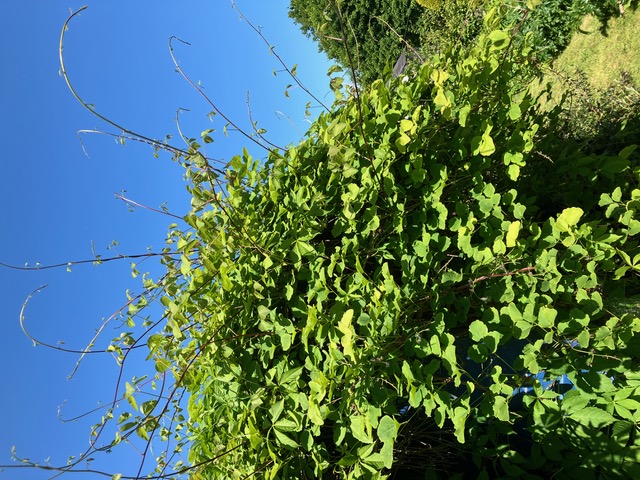
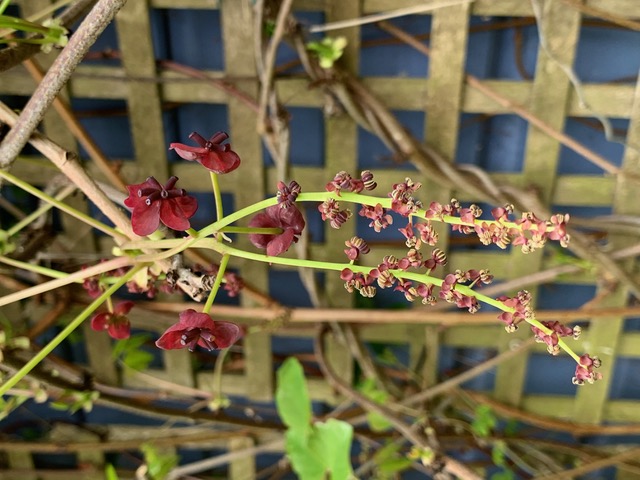
Pruning the akebia before it flowers in late spring is a bit of a gamble, so I’ve pruned it to just above a bud, keeping the framework within a single shed wall. Once it has flowered in April/May (if it flowers) I will prune it again and train it back into shape.
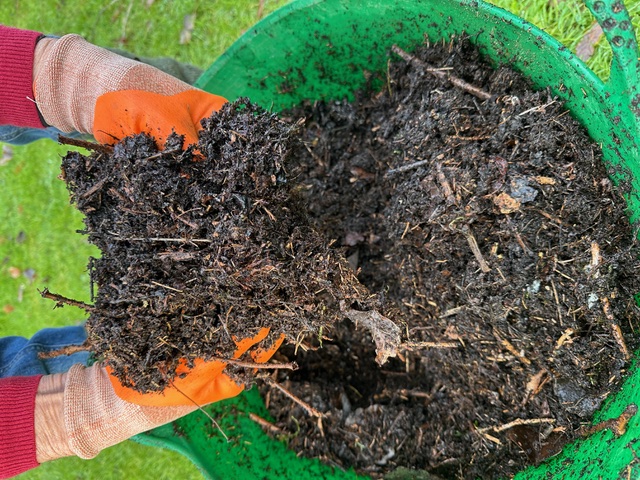
The plant growth removed from the shed has provided us with wonderfully acidic humus, also, about 3 inches of material removed from the shed roof, full of pine needles, has been spread underneath the rhododendrons nearby. The plants will regenerate and look young and fresh, the tea shed will dry out and we’ll be able to repaint it cobalt blue. Hopefully, the garden will look its best when it is opened again to visitors this summer (August 8th-16th).
Gardening jobs for the weeks ahead
- Remove the leaves from hellebores and epimediums to fully enjoy these winter/early spring flowering plants.
- Sharpen your secateurs and oil working parts to ensure another season of good use.
- Clean and wash your pots and seed trays ready for sowing. Use a mild disinfectant to kill off bacteria.
- Recycle old plant labels – either use an eraser if you’ve marked them in pencil or use nail varnish remover for permanent marker pen.
- Order new rhubarb crowns for spring planting.
- Plan your vegetable crop rotations to avoid planting in the same place as last year.
- Sort out home gathered seed ready for sowing in spring. Sort the seed into paper bags or envelopes and mark them clearly with a name and date to sow.
- Plant bare rooted shrubs and hedging so long as the ground isn’t frozen.
- Try taking hardwood cuttings from deciduous shrubs, such as forsythia, willow and viburnum.
- Check on stored bulbs and tubers for rot and make sure dahlias and cannas haven’t completely dried out.
- Trim hedges before birds start nesting and check any nesting boxes to make sure they are clean and secure.


